Heavy Duty Dog Poop Bags: The 2026 Buyer’s Guide to Tear-Proof Cleanup
If you have ever picked up after a large breed on a cold morning and felt the bag give way, you already understand why heavy duty dog poop bags are not a luxury item. They are the difference between a clean, one-handed pickup and a mess you never wanted to touch. In 2026, pet owners are far more selective about the products they buy, and thick, leak-proof waste bags now sit near the top of the shopping list for anyone who walks a dog daily or maintains a busy backyard.
This guide breaks down what actually makes a poop bag durable, how thickness is measured, and how to pair the right bag with the right tool so cleanup takes seconds instead of dread. Whether you own one energetic retriever or run a small dog-walking route, the same principles apply.
Why Heavy Duty Dog Poop Bags Beat Cheap Rolls
The bargain rolls sold in giant multi-packs feel like a deal until the first puncture. Thin film tears on twigs, gravel, and even the dog’s own claws. A thicker bag holds its shape, seals odor, and resists the acids present in animal waste. That reliability matters most when you are outdoors with no backup.
According to the U.S. Environmental Protection Agency, uncollected pet waste is a genuine source of nutrient and bacterial pollution in local waterways. A bag that fails halfway through a walk defeats the entire purpose of picking up in the first place.
What “Heavy Duty” Really Means
Bag strength is usually described in microns, the measure of film thickness. Standard economy bags run thin and translucent, while premium options are noticeably opaque and stretch without splitting. When you want a genuinely reliable roll, look for reinforced options like these heavy Dog duty Bags that are built to survive rough terrain and heavy loads.
Key Features to Compare Before You Buy
Not every “premium” label delivers. Focus on the specifications that affect real-world performance rather than marketing copy. The table below shows how the main tiers stack up.
| Feature | Economy Bags | Heavy Duty Bags |
|---|---|---|
| Film thickness | Thin, prone to tears | Thick, puncture resistant |
| Leak protection | Minimal | Sealed, odor-blocking |
| Capacity | Small dogs only | All breeds, multi-pile |
| Ease of opening | Sticks together | Easy-tear edges |
| Cost per use | Low upfront, wasteful | Higher upfront, fewer failures |
Size and Load Capacity
A bag that fits a toy poodle will not work for a mastiff. Larger bags give you room to twist and knot the top without touching the contents, which is the whole point. If you have multiple dogs, size up so one bag can handle a full yard sweep.
Pairing Bags With the Right Cleanup Tool
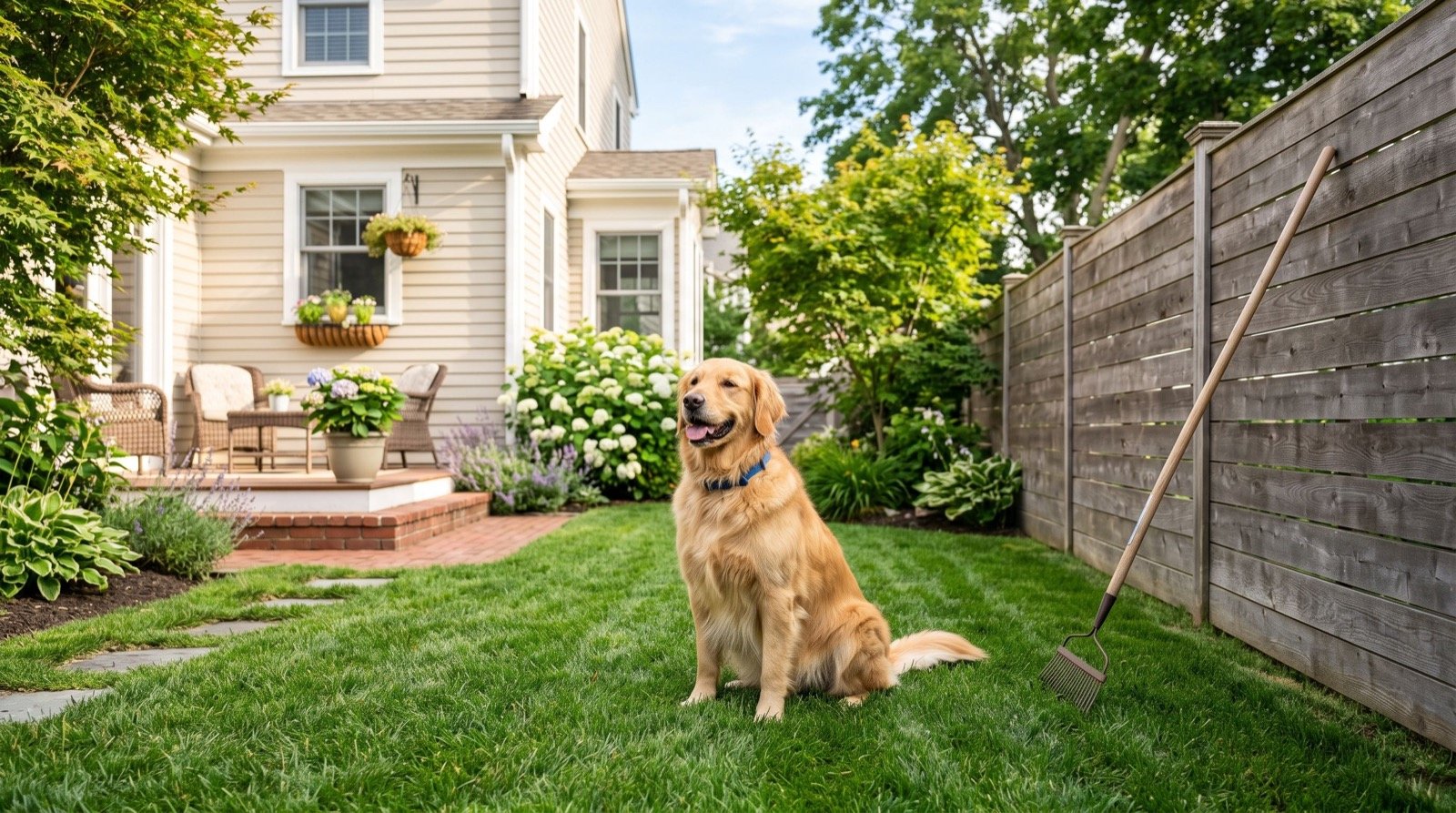
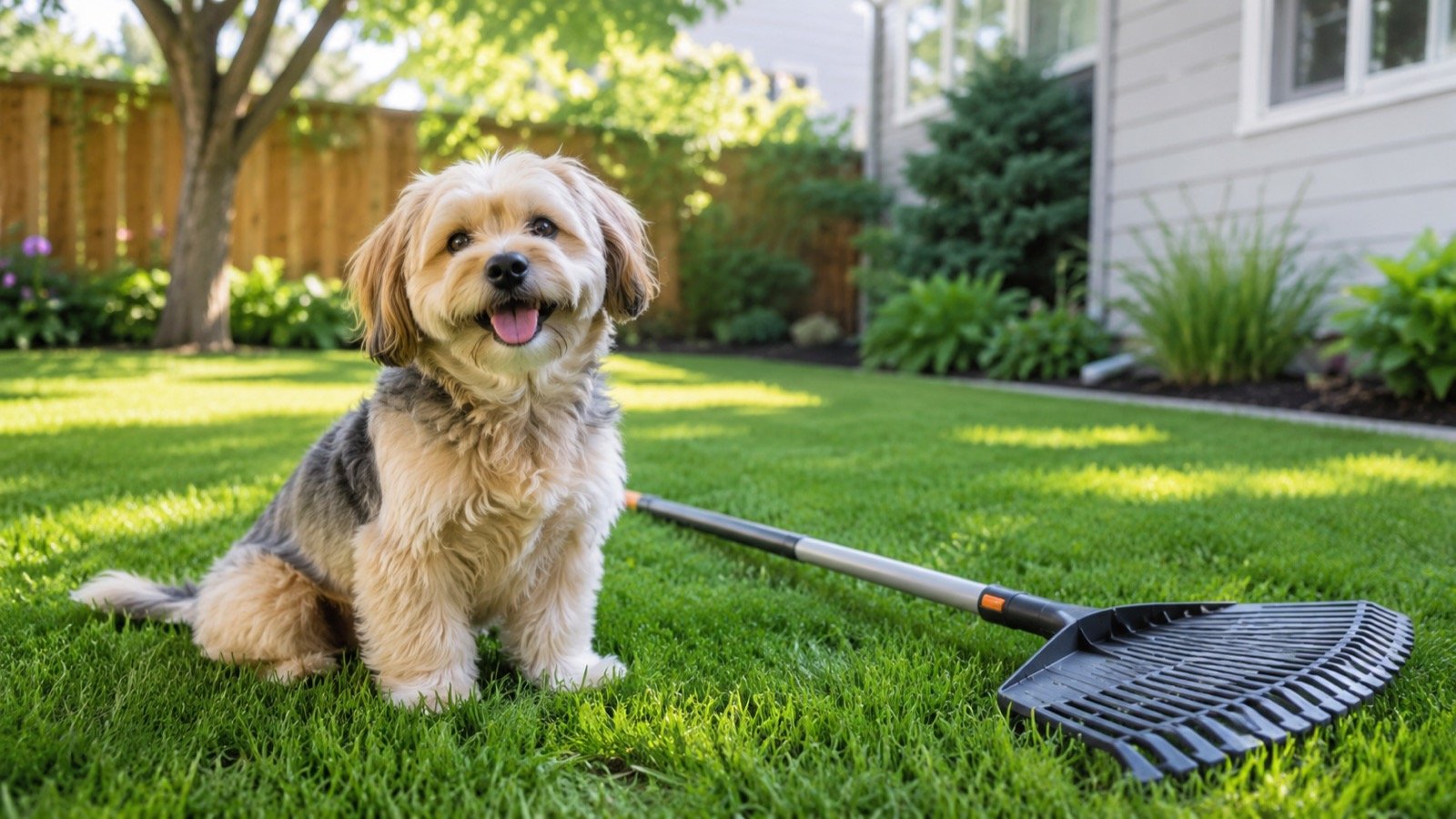
Bags do half the job; a good scooper does the rest. Bending over dozens of times per week is hard on your back and knees. A long-handled metal tool lets you clear a yard standing upright. A durable Pooper Scooper metal design pairs perfectly with heavy bags because the metal edge scrapes clean off grass and pavement without bending.
Here is a simple weekly system that keeps things sanitary:
- Keep a roll of thick bags clipped to the leash and another by the back door.
- Use a metal scooper for full-yard cleanups twice a week.
- Line a lidded outdoor bin with a large bag for collected waste.
- Rinse and air-dry the scooper head to prevent buildup.
A Step-by-Step Yard Routine
- Walk the perimeter first so you spot every pile before you start.
- Scoop into a single heavy bag held open on the ground or in a caddy.
- Knot the bag twice and drop it in the lined bin.
- Disinfect the tool head weekly with a pet-safe cleaner.
- Restock bags before the roll runs out, not after.
Health and Environmental Reasons to Never Skip Pickup
Dog waste is not fertilizer. It carries parasites and bacteria such as roundworms and giardia. The Centers for Disease Control and Prevention notes that prompt removal of animal feces is a basic step in preventing the spread of zoonotic disease to both people and other pets. Reliable bags make consistent pickup effortless, which is exactly why quality matters more than price per unit.
For property owners preparing a home for sale in 2026, a spotless yard is also a selling point. Buyers notice a clean outdoor space, and working with quality service providers for landscaping and staging pays off when the yard is genuinely presentable.
The Real Cost of Choosing Bags on Price Alone
It is tempting to grab the cheapest mega-pack on the shelf, but the math rarely works in your favor. A thin bag that fails forces you to use two or three per pickup, and a single blowout can ruin a jacket sleeve or a pair of shoes. When you tally the wasted bags, the ruined moments, and the sheer frustration, the “budget” option quietly becomes the expensive one.
From firsthand experience walking a seventy-pound shepherd twice a day, the switch to reinforced bags eliminated the mid-walk panic entirely. One thick bag now does the job of three flimsy ones, and the roll lasts noticeably longer because nothing gets wasted on failures. That reliability is worth far more than a few cents saved per bag.
How Many Bags Do You Actually Use?
A single large dog produces waste once or twice per walk, and most owners walk twice daily. That is roughly two to four bags a day, or well over a thousand a year. At that volume, quality compounds: a small improvement in reliability, multiplied across a year, means dozens of avoided messes and a much cleaner experience overall.
Storing and Rotating Your Bag Supply
Buying in bulk only pays off if the bags stay usable. Store rolls in a cool, dry spot away from direct sunlight, which can degrade the film over time. Keep one roll clipped to the leash, one by the back door, and a backup in the car so you are never caught empty-handed. Rotating older rolls to the front ensures nothing sits unused long enough to weaken.
A little organization here prevents the classic scramble of reaching for a bag and finding an empty cardboard tube. For a home you are preparing to list in 2026, that same attention to detail extends to the whole property: a consistently clean, odor-free yard signals to buyers that the home has been genuinely well cared for.
Frequently Asked Questions
Are heavy duty dog poop bags worth the extra cost?
Yes. Because they rarely fail, you waste fewer bags per pickup and avoid the mess of a burst thin bag. Over a year, the reliability easily justifies the small price difference.
Can I flush the contents of a dog poop bag?
You should never flush a plastic bag. Some owners flush the waste alone, but many municipalities discourage it. Bagging and binning remains the safest, most widely accepted method in 2026.
What thickness should I look for in a durable bag?
Aim for bags marketed as heavy duty or reinforced rather than economy rolls. If the film is opaque and stretches without splitting when you tug it, it will handle real-world use.
Do metal scoopers work with any bag?
They work best with larger, thicker bags that stay open and hold heavier loads. A metal scraping edge and a strong bag together clear a yard in minutes.
Conclusion: Upgrade Your Cleanup Before the Next Walk
Cleaning up after your dog is a daily reality, so the tools you choose deserve real thought. Heavy duty dog poop bags protect your hands, your yard, and your local waterways, and they pair beautifully with a sturdy metal scooper for stress-free maintenance. In 2026, there is no reason to settle for bags that tear at the worst possible moment. Stock up on reinforced bags, add a long-handled scooper, and turn a chore you dread into a quick, clean routine. Make the upgrade today and enjoy every walk without a second thought.